A slow connection in New York City feels worse than a late train. When you work from home, stream every night, or play online games, internet quality shapes your whole day.
The tricky part is that NYC doesn’t have one clear winner for every address. Building wiring, neighborhood coverage, and pricing shifts can change the best choice fast. Still, four providers stand out most often: Verizon Fios, Spectrum, Optimum, and Starry.
Here’s how they compare, and where each one fits best.
What matters most when choosing the internet in New York City
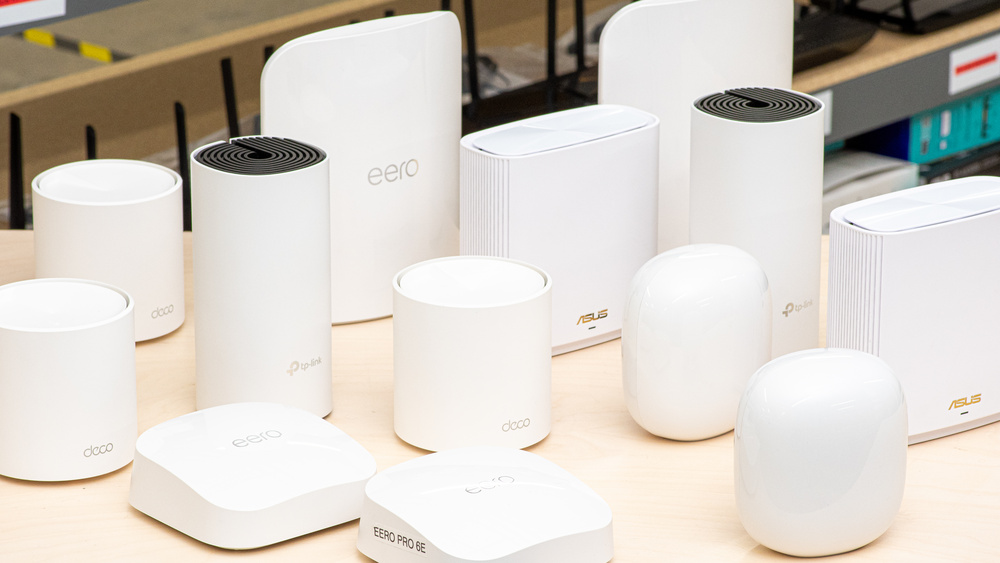
New York gives you a mix of fiber, cable, and fixed wireless service. That sounds simple on paper, but the real choice often comes down to what your building can support. One apartment may have fiber in the wall, while the next block relies on cable, and another renter may need a wireless option that skips building wiring altogether.
For most people, four factors matter more than anything else: speed, latency, price, and coverage. Speed tells you how much bandwidth you have. Latency shows how fast your connection reacts, which matters for gaming, video calls, and anything live. Price is obvious, but the fine print matters too, especially when a low intro rate changes after the first year. Coverage might be the biggest factor in NYC because a great plan means little if it’s not available in your building.
If you want a broader snapshot of local performance, Speedtest’s New York City internet data can help show how providers perform in the real world.
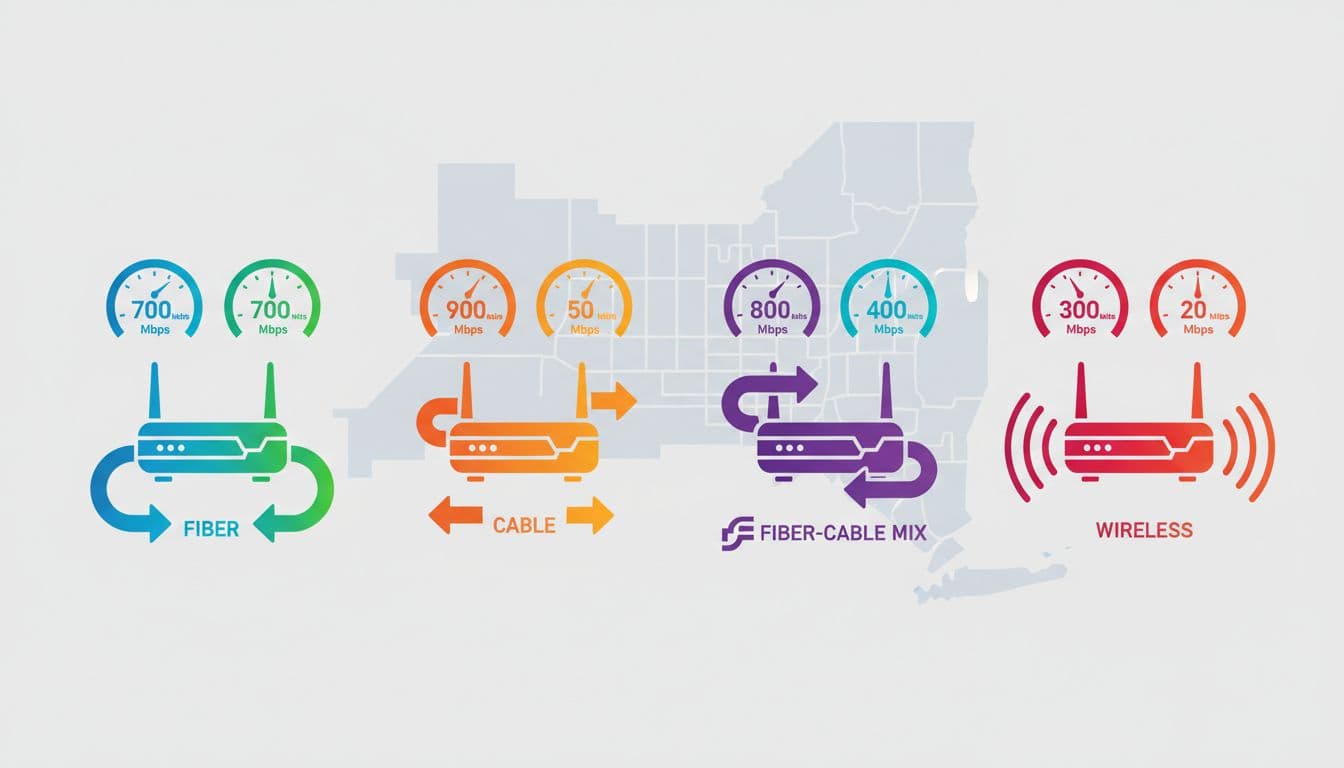
This quick comparison makes the differences easier to scan:
| Provider | Connection type | Top speed mentioned | Best known for | Best fit |
|---|---|---|---|---|
| Verizon Fios | Fiber | 2 Gbps or more in some areas | Stable performance, low latency, symmetrical speeds | Gamers, remote workers, heavy daily users |
| Spectrum | Cable | Up to 1 Gbps | Broad coverage, simple plans | Families, roommates, general home use |
| Optimum | Fiber or cable, depends on address | Up to 8 Gbps in select areas | Fast downloads, competitive pricing | Streamers, heavy downloaders, bundle shoppers |
| Starry | Fixed wireless | Around 200 Mbps | Fast setup, no-contract simplicity | Renters, apartments with limited wired choices |
The big takeaway is simple: connection type matters as much as provider name. In NYC, the best option is often the best one available at your exact address.
Verizon Fios is the strongest all-around pick
Verizon Fios stands out because it uses a 100 percent fiber connection. That usually means symmetrical upload and download speeds, so sending large files, joining video meetings, and backing up photos can feel as smooth as streaming a show. If you work from home or game online, that balance matters more than many people realize.
Another reason Fios gets so much attention is stability. Fiber tends to hold up well when a household is busy. A cable connection can still be fast, but fiber often feels cleaner under pressure, especially during peak evening hours. Low latency also helps, so button presses in games and face-to-face video calls feel more immediate.
The transcript points to speeds of 2 Gbps or more in some areas, which puts Fios near the top of the list for raw performance. It also has a strong reputation for customer satisfaction and consistent service, which is a big deal in a city where downtime can wreck a workday.

Still, Fios has one catch. It’s only the best choice if your building can get it. That’s common in NYC with fiber. You may hear great things about a provider, then find out your address isn’t wired for it. So while Verizon Fios is the top pick for speed and fewer headaches, availability can decide the whole story.
For people who want the strongest mix of speed, low lag, and day-to-day reliability, Fios is the provider to beat.
Spectrum is the safe choice when you want wide coverage
Spectrum earns its place for one main reason: it’s available in many parts of New York City. If fiber isn’t an option where you live, Spectrum often becomes the practical answer. That broad reach matters in a city packed with older buildings, mixed infrastructure, and apartment setups that vary block by block.
The plans mentioned in the video go up to 1 Gbps, which is enough for a lot of homes. Shared apartments, families with multiple devices, and people who stream often can usually get what they need here without much friction. Spectrum also stands out for having no data caps and no contracts on most plans, which makes it feel easier to live with month after month.
That simplicity is part of the appeal. You don’t always want the fanciest technology. Sometimes you want internet that’s fast enough, easy to set up, and widely available. Spectrum fits that role well. It’s the kind of provider many New Yorkers land on because it works, even if it’s not the most exciting name on the list.

The tradeoff is that cable internet usually doesn’t offer the same upload performance as fiber. Download speeds can look great, but uploads may be much lower. That may not bother a casual user. On the other hand, if you upload large work files, host video meetings all day, or stream live content, you may notice the difference.
Broadband roundups like CNET’s New York provider guide often keep Spectrum in the conversation for exactly this reason. It may not win every category, but it covers a lot of the city and fits a lot of households.
Optimum can be excellent, but your address matters more here
Optimum is a little harder to judge at a glance because the experience depends on whether your address gets fiber or cable. That split matters a lot. When Optimum fiber is available, it becomes one of the fastest options in the city. The video mentions speeds up to 8 Gbps in select areas, which is serious bandwidth for homes with lots of streaming, huge downloads, and heavy device use.
For power users, that speed grabs attention. If your home runs like a small office, or if you’re the person downloading giant game files while someone else streams 4K video in the next room, Optimum fiber can look like a strong fit. Competitive pricing and bundling options add to the appeal, especially if you like putting multiple services on one bill.
Where things get less clear is consistency across locations. Optimum doesn’t offer the same connection type everywhere, so one customer may get fiber and another may get cable. Those are two different experiences. Fiber tends to give you better upload performance and a more premium feel. Cable can still be fast, but it won’t always behave the same way.

That’s why Optimum works best when you confirm the exact service at your address before comparing prices. If you can get fiber, it deserves a hard look. If your location only gets cable, the value equation changes, and you’ll want to compare it more carefully with Spectrum or Verizon Fios if Fios is available.
In other words, Optimum isn’t a one-size-fits-all pick. It can be blazing fast, but the details matter.
Starry makes the most sense for renters and simple setups
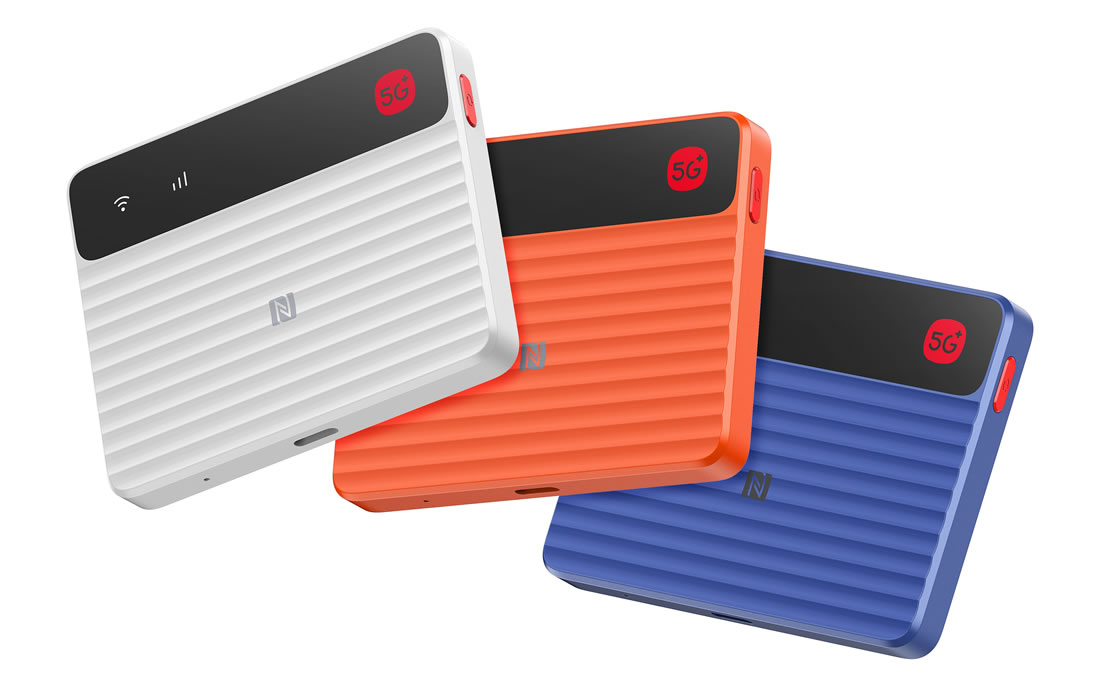
Starry takes a different path from the other providers on this list. Instead of relying on traditional wired service into every unit, it uses fixed wireless internet. That makes it especially appealing in apartment-heavy parts of New York, where setup speed and flexibility can matter as much as raw speed.
The video describes Starry as offering around 200 Mbps, with no hidden fees, no contracts, and fast setup. For many renters, that’s the whole pitch right there. If you don’t want a long commitment, don’t want to wait around for a more involved install, or live in a place where wired options are limited, Starry can feel refreshingly simple.
This provider won’t be the top choice for every power user. If you want the absolute highest speeds for massive downloads or the lowest possible latency for competitive gaming, fiber still has the edge. Still, Starry can deliver solid performance for casual gaming, daily streaming, web use, and remote work that doesn’t push the line all day.

What makes Starry stand out is how well it fits city life. NYC renters often need service that can start quickly and move with less hassle. A fixed wireless setup can feel lighter and less tied down than a traditional wired install. That won’t matter to everyone, but for apartment living, it’s a real selling point.
If your building doesn’t give you great wired choices, Starry may be the cleanest answer on the board.
The fine print can change your decision fast
Choosing a provider in New York isn’t only about picking the fastest name on a chart. Small details can shift the value fast, and those details often show up after the flashy speed number.
First, availability changes by neighborhood and building. That sounds obvious, but it catches people all the time. A provider may serve your street, yet not your exact building. In apartment towers and older walk-ups, wiring can vary more than you’d expect. Services that look equal online may not be equal once your address enters the picture.
Second, introductory pricing can expire. A low monthly rate may rise after 12 months, so the first-year deal isn’t always the long-term cost. That doesn’t mean a plan is bad. It means the sticker price deserves a second look.
Third, equipment matters. Router quality, modem performance, and rental fees can affect both your bill and your day-to-day speed. A fast plan paired with weak equipment is like a sports car stuck on a narrow side street.
A great plan on paper can still disappoint if your building gets a weaker connection type, or if the included router struggles to keep up.
One more point matters here: not every plan offers symmetrical uploads and downloads. Fiber often does. Cable and fixed wireless often don’t. That difference matters most for remote workers, content creators, and anyone who uploads as much as they download.
If you want to cross-check what may be available near you, Allconnect’s New York provider comparison and CompareInternet’s New York listings can help you line up options before you decide.
Which provider fits your situation best
For gaming and work-from-home setups
Verizon Fios is the strongest match here. Low latency and symmetrical speeds make it easier to handle video calls, cloud uploads, and online gaming without the connection feeling uneven. If your job depends on a stable line, this is the cleanest fit.
For everyday home internet
Spectrum is the easy middle ground. It covers a lot of NYC, offers solid top speeds, and works well for households with multiple people streaming, browsing, and using smart devices at the same time. It’s not flashy, but it’s dependable for common use.
For heavy downloading and big streaming habits
Optimum is the one to check, especially if fiber is available at your address. High speed tiers and bundle options make it attractive for homes that burn through a lot of bandwidth. The key is confirming whether you’re getting fiber or cable before you compare.
For renters and apartment flexibility
Starry makes the strongest case here. Fast setup, no-contract simplicity, and fixed wireless service give it a lighter footprint than traditional wired internet. In the right building, that can be exactly what you need.
New York doesn’t reward lazy comparison shopping. The best provider for your friend in Queens may not be the best provider for your building in Brooklyn or Manhattan. In this city, your address is part of the decision.
The strongest takeaway is simple: Verizon Fios leads when available, but coverage and connection type often decide the best real-world choice. Spectrum is the safest wide-coverage option, Optimum is worth checking for fiber, and Starry shines when wired service falls short.
Before you lock in a plan, check what your building actually supports. In NYC, that one detail often matters more than the ad.